Unilever, a leading global consumer goods company, has announced its exit from Zimbabwe after 80 years of operations, marking the end of a significant era in the country’s formal retail sector. This decision reflects Unilever’s broader strategic shift in Africa, as the company continues to scale back its operations in certain markets across the continent.
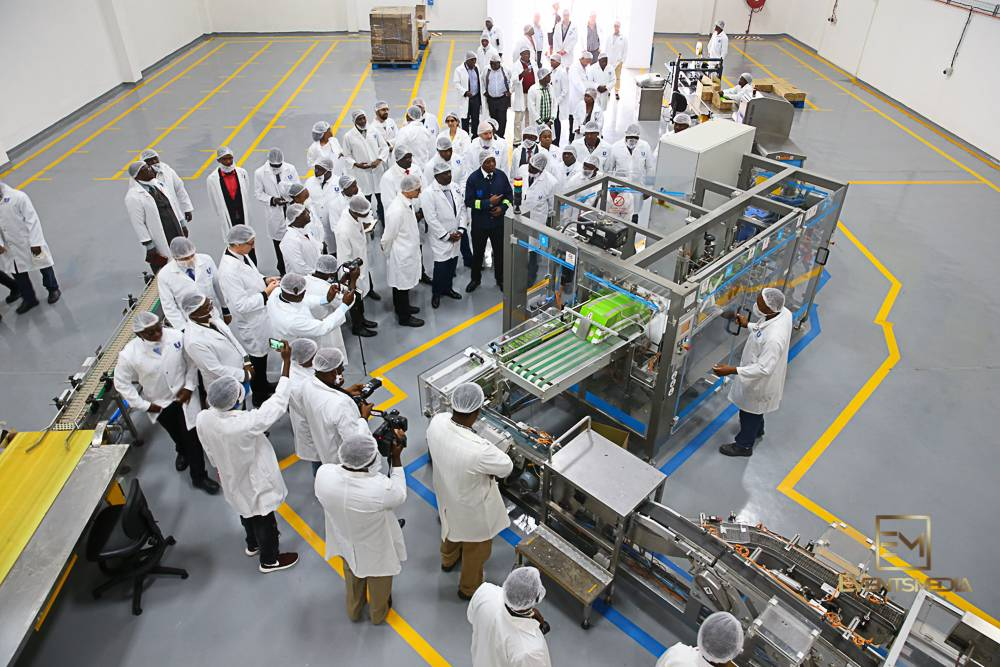
Back in 2018, Unilever showcased its commitment to Zimbabwe by opening a new Royco plant in Harare, with Bruno Witvoet, Unilever’s Africa Vice President, expressing strong confidence in the country’s future. He stated, “We have been in Zimbabwe for the last 75 years and believe in the country’s future. Our confidence is very high.” However, the economic challenges in Zimbabwe have led to a change in outlook, prompting Unilever to rethink its strategy.
By the end of the year, Unilever plans to transition to a new business model that will rely on local distributors to serve Zimbabwean consumers, rather than maintaining its own operations. “Unilever will move to a new model that serves Zimbabwean consumers through a network of Zimbabwean distribution firms rather than through Unilever-owned operations,” the company stated in an internal memo. This shift is expected to stimulate business growth, create jobs in sales, logistics, and merchandising, and better serve Zimbabwean consumers with Unilever’s popular brands.
This strategic realignment involves the closure of Unilever Zimbabwe’s operations, a move that underscores the increasing pressures faced by formal retailers in Zimbabwe. The country’s volatile economic environment, exacerbated by government policies and weak consumer spending, has significantly impacted the profitability of traditional retail channels. In response, Unilever has been progressively scaling back its operations in the region, relying on companies like Distributed Group Africa (DGA), a subsidiary of Axia Corporation, to distribute products manufactured outside Zimbabwe.
The challenges within Zimbabwe’s formal retail sector have been intensifying, with many shoppers turning to the informal market to avoid the high costs associated with official exchange rates. Last year, DGA reported losses due to the crisis in the formal retail sector and has since shifted its focus toward supplying informal traders, bypassing traditional supermarkets that were once key customers for Unilever.
Unilever’s decision to exit Zimbabwe is part of a broader trend among multinational companies re-evaluating their presence in Africa. In 2023, Unilever ceased the production of home-care and skin-cleansing products in Nigeria, opting to import these items instead. Similarly, Nestlé has reduced its operations in Kenya, downgrading its factory to focus on packaging imported goods rather than local production.
As Unilever exits Zimbabwe, the company assures that its brands will remain available during the transition. However, this departure raises questions about the future of multinational investments in the region and the ongoing challenges facing Zimbabwe’s economy.