By Caroline Washaya-Moyo
MASVINGO – Zimbabwe’s rich culinary heritage is increasingly being positioned as more than a cultural expression, with Government moving to transform indigenous foods and traditional cuisine into commercially viable tourism products capable of creating businesses, livelihoods and economic opportunities.
The country’s gastronomy agenda is gaining momentum as Zimbabwe seeks to leverage its indigenous grains, traditional vegetables, locally produced livestock, wild fruits, herbs and diverse methods of food preparation to create distinctive tourism experiences.
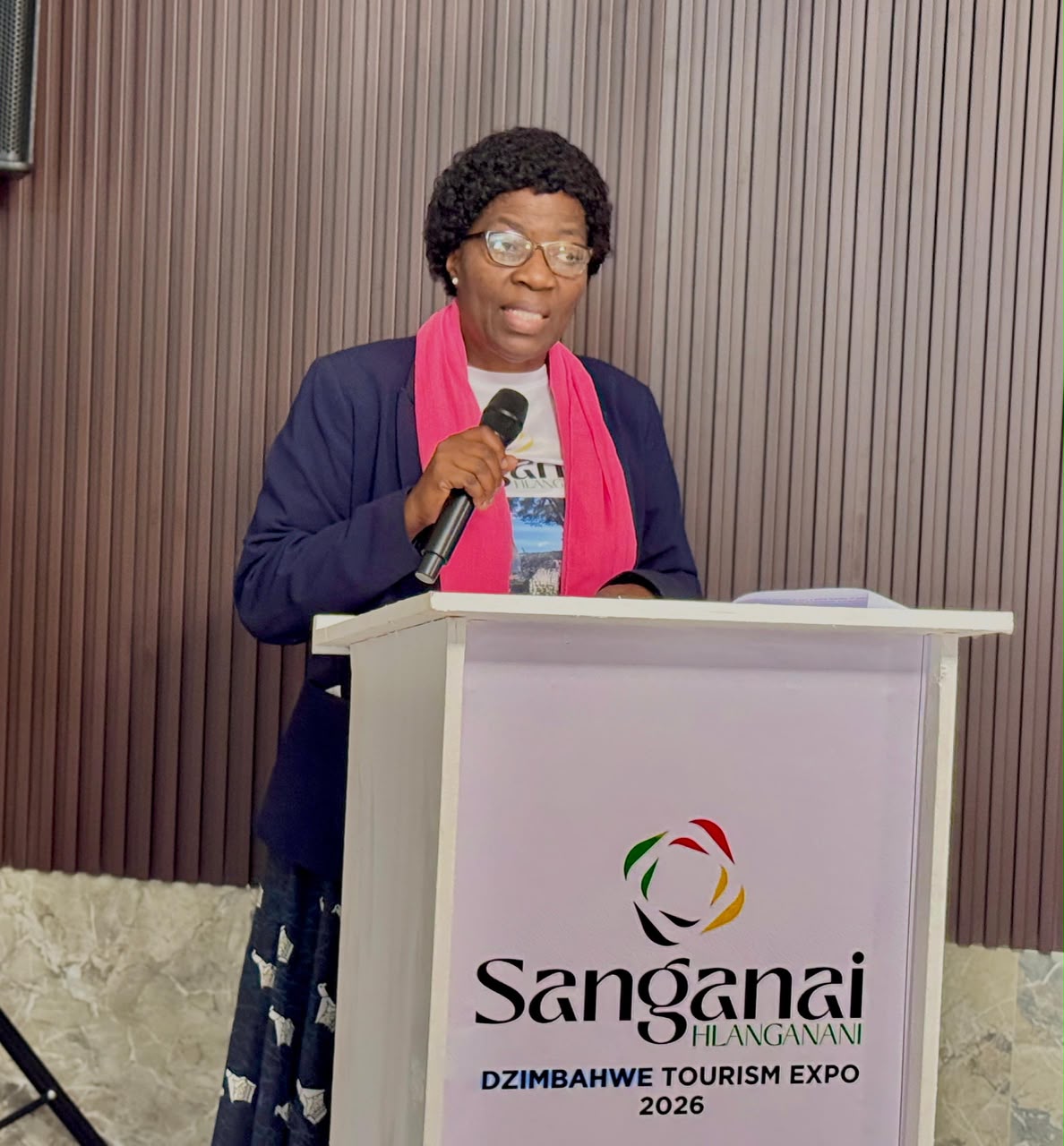
Speaking at a Gastronomy Tourism Masterclass held under the Sanganai/Hlanganani/Dzimbahwe World Tourism Expo, Ms Tariro Musonza, Chief Director in the Ministry of Tourism and Hospitality Industry, said gastronomy had become an important component of the visitor experience and a potential driver of enterprise development.
“Gastronomy is no longer simply about food. It is an important part of the visitor experience, a vehicle for preserving our heritage and, importantly, a business opportunity,” she said.
Zimbabwe’s approach seeks to move beyond viewing traditional food solely as a cultural asset, towards developing it into a commercial tourism product.
This could create opportunities for young people, women, farmers, chefs and entrepreneurs to establish businesses around traditional cuisine, culinary tourism, food festivals, farm-to-table experiences, indigenous food products, catering, restaurants and value-added food products.
The development is supported by a Government Gastronomy Strategy, which provides a framework for the growth of gastronomy as a tourism cluster.
The strategy seeks to strengthen the entire gastronomy value chain, connecting farmers and food producers with chefs, hospitality establishments, communities and entrepreneurs, while creating opportunities for investment, innovation, skills development, market access and enterprise growth.
Such an approach could also enable communities to retain more value from their local food resources while strengthening the contribution of gastronomy to Zimbabwe’s wider tourism economy.
Zimbabwe has already taken significant steps towards positioning itself within the growing gastronomy tourism sector.
The country hosted the First UN Tourism Regional Forum on Gastronomy Tourism for Africa in Victoria Falls in 2024, placing Zimbabwe at the centre of discussions on how food can drive destination competitiveness, innovation and community development.
The current Masterclass builds on that momentum, with emphasis now shifting towards practical action.
Among the priorities are documenting and preserving indigenous culinary knowledge, strengthening farm-to-table linkages, improving food safety and quality, modernising food presentation while maintaining authenticity and developing commercially viable Zimbabwean gastronomy products.
Government is also moving towards institutionalising gastronomy through the proposed Africa International Tourism Academy on Culinary Arts, to be established in Victoria Falls.
The academy is expected to promote skills development, research, innovation and industry linkages, while supporting Zimbabwe’s Heritage-Based Education 5.0 thrust.
Ms Musonza also acknowledged the role being played by the First Lady of the Republic of Zimbabwe, Dr Auxillia Mnangagwa, in promoting Zimbabwean cuisine and traditional food.
Through initiatives such as the National Traditional Cook-Out Competitions, the First Lady has helped elevate gastronomy as an important expression of Zimbabwe’s national identity, culture and heritage.
The growing focus on gastronomy also speaks to the objectives of the National Development Strategy 2, NDS2, particularly the need to promote tourism diversification, investment, enterprise development and economic transformation.
By developing food into a distinctive tourism product, Zimbabwe has an opportunity to increase the value derived from its cultural and natural resources while creating new markets for farmers, food producers, hospitality businesses and entrepreneurs.
For communities, the development could mean that indigenous knowledge and traditional food resources are not only preserved for future generations, but also become sources of income and economic empowerment.
As Zimbabwe continues to diversify its tourism offering, the challenge will be to ensure that its cuisine remains authentic while meeting modern standards of quality, presentation and commercial competitiveness.
The ambition is for Zimbabwean food to become a recognisable and distinctive part of the country’s tourism experience, allowing visitors not only to see Zimbabwe, but to experience its culture and heritage through its cuisine.
Through this approach, gastronomy has the potential to become an important contributor to tourism growth and economic development, while advancing the broader objectives of NDS2 and Zimbabwe’s journey towards economic transformation.